Deciding to enter a residential treatment program is one of the most courageous decisions a person can make. Once that decision is made, the practical question of what to actually bring — and what to leave behind — can feel surprisingly overwhelming, especially when emotions are already running high.
Packing for rehab is different from packing for a hospital stay or a vacation. Residential treatment programs have specific guidelines designed to create a focused, distraction-free environment where healing can take place. Understanding what to bring, what to leave home, and why certain restrictions exist can help ease the transition and allow you to arrive focused on what matters most: your recovery.
This checklist is designed to take the guesswork out of packing so you can walk through those doors ready.
Before You Pack for Rehab: Check With Your Program First

Every residential treatment facility has its own specific policies around what is and isn’t permitted. Some programs are more flexible than others, and items that are allowed in one setting may not be permitted in another. Before you finalize your packing, always confirm the allowed items list with your treatment center’s admissions team.
That said, the categories and items below represent what is generally permitted — and generally not permitted — across most reputable residential rehab programs.
Clothing and Personal Comfort
Comfort is key in residential treatment. You’ll be spending time in group therapy, individual sessions, recreational activities, and quiet reflection — so practical, comfortable clothing is the priority.
What to bring:
- 7–10 days’ worth of casual, comfortable clothing (most programs have laundry facilities)
- Comfortable walking shoes and a pair of sandals or slippers for indoors
- Workout clothes and athletic shoes if the program includes fitness or recreation
- A light jacket or sweater — treatment facilities can vary in temperature
- Pajamas and comfortable loungewear
- Underwear and socks for at least a week
- A swimsuit if the facility has a pool (check the program’s policy)
- One or two nicer outfits for family visits or special programming days
- Rain jacket or light coat depending on the season and location
What to avoid:
- Clothing with alcohol brands, drug references, or offensive graphics
- Revealing or overly provocative clothing
- Items with excessive metal hardware that may set off detectors
- Expensive or sentimental clothing you’d be devastated to lose or damage
Toiletries and Personal Hygiene
Most programs allow personal hygiene products, but there are important restrictions to be aware of. Many facilities do not permit products that contain alcohol — including certain mouthwashes, hand sanitizers, and some skincare products — because of their potential for misuse in early recovery.
What to bring:
- Toothbrush, toothpaste, and floss
- Shampoo and conditioner (check for alcohol-free requirements)
- Body wash or soap
- Deodorant (solid or gel; aerosol may be restricted)
- Skincare products and moisturizer
- Razor and shaving supplies (some facilities require safety razors only)
- Feminine hygiene products
- Hairbrush, comb, and basic styling tools (some facilities restrict hair dryers or flat irons — confirm in advance)
- Sunscreen
- Lip balm
- A small amount of makeup if desired (alcohol-free formulas preferred)
What to avoid:
- Mouthwash containing alcohol (opt for an alcohol-free formula)
- Perfume or cologne with high alcohol content (some facilities restrict these)
- Aerosol sprays in facilities that prohibit them
- Any product that could be misused
Medications and Medical Information
This is one of the most important categories to handle carefully. All medications — including over-the-counter supplements, vitamins, and prescription drugs — must be disclosed to the treatment team upon arrival. In most residential programs, medications are managed and dispensed by clinical staff rather than kept in your room.
What to bring:
- All current prescription medications in their original, pharmacy-labeled containers
- A list of all medications, dosages, and the prescribing physician’s contact information
- Any medical devices you use (CPAP machine, insulin supplies, etc.) — confirm in advance that these are permitted
- Insurance cards and any relevant medical records or documentation
- Your doctor’s contact information
What to do before you arrive:
- Inform your prescribing physicians that you are entering residential treatment
- Ask your treatment center’s admissions team whether any of your current medications may need to be adjusted or temporarily discontinued
- If you take controlled substances that are prescribed, be prepared for these to be closely managed by the clinical team
Do not bring medications that have not been disclosed to the treatment team, and do not bring any substances — even those that seem harmless — without prior approval.
Documents and Financial Items
Keep important documents organized and bring only what you need.
What to bring:
- Government-issued photo ID (driver’s license or passport)
- Insurance card(s)
- A small amount of cash for any facility store or vending machines — confirm the amount with your program, as most facilities limit cash on hand
- A debit or credit card if permitted by the program
- Any legal documents relevant to your treatment (court orders, etc.)
- Health insurance information and any pre-authorization paperwork
What to leave home:
- Large amounts of cash
- Jewelry or valuables
- Credit cards beyond what’s minimally necessary
Personal Support Items
- A journal and pens — journaling is often encouraged as part of the therapeutic process
- Books (most programs allow personal reading materials — check whether there are content restrictions)
- A Bible, prayer book, or other spiritual text if relevant to your practice
- Photographs of loved ones (physical prints rather than relying on a phone)
- A small comfort item — a blanket, stuffed animal, or object of personal significance
- Headphones if permitted (confirm whether wireless or wired are allowed)
- Stamped envelopes and stationery for writing letters
Treatment is emotionally intensive work, and having items that bring comfort or support your personal practice can be meaningful.
What to bring:
Electronics and Technology
This is one of the areas with the most variation between programs — and often the most questions. Most residential treatment programs limit or restrict personal electronic devices, particularly smartphones, during at least the initial phase of treatment.
This isn’t arbitrary. The early weeks of recovery require a level of focus and presence that constant connectivity tends to disrupt. Phones also provide access to people and environments associated with substance use — something that can significantly undermine early recovery.
What is sometimes permitted (confirm with your program):
- A basic MP3 player or iPod without internet capability
- An e-reader (Kindle, etc.) — sometimes permitted after an initial restricted period
- A laptop for work purposes — sometimes allowed under limited and supervised conditions
- A basic alarm clock
What is typically not permitted during initial treatment:
- Smartphones
- Tablets with internet access
- Laptops during initial phases
- Gaming devices
If you rely on your phone for work or family communication, your treatment team can discuss scheduled phone time and how to manage important obligations during your stay.
What Not to Bring
Just as important as the packing list is knowing what to leave behind. The following items are not permitted in most residential treatment settings:
- Any alcohol or substances, including products containing alcohol
- Weapons of any kind
- Sexually explicit material
- Excessive cash or valuables
- Prescription medications not disclosed to the treatment team
- Items belonging to others — only bring what is yours
- Excessive amounts of anything — treatment facilities have limited storage space
If you’re unsure whether something is permitted, the safest approach is always to ask your admissions team before packing it.
A Note on What to Leave Behind Emotionally
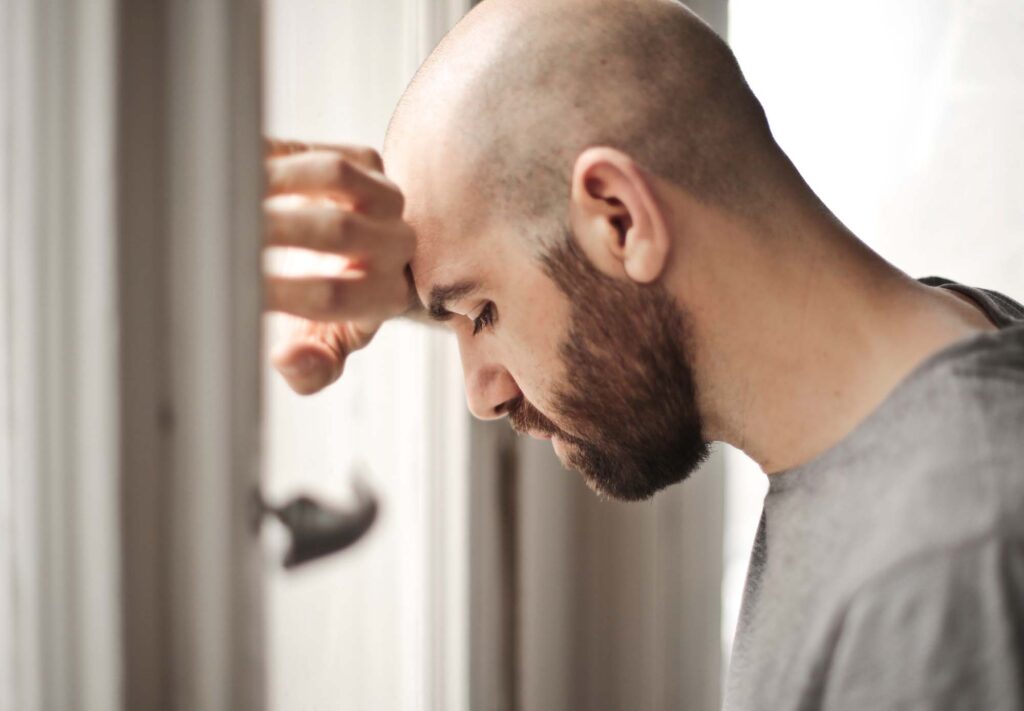
This checklist covers the practical items — but it’s worth saying that what you bring emotionally matters just as much as what’s in your bag. The shame, the fear, the uncertainty about whether treatment will work — those feelings are common, and they don’t have to be resolved before you walk through the door.
You don’t need to arrive with everything figured out. You need to arrive. The work begins there.
Ready to Take the Next Step?
If you or a loved one is preparing for residential treatment and you have questions about what to expect — including what to pack, what the environment looks like, or how the admissions process works — the team at Temecula Recovery Center is here to help.
We offer medically supervised detox and personalized residential rehab in a private, peaceful setting in Temecula, CA. Our admissions team is available to walk you through every detail before you arrive, so there are no surprises — just support.