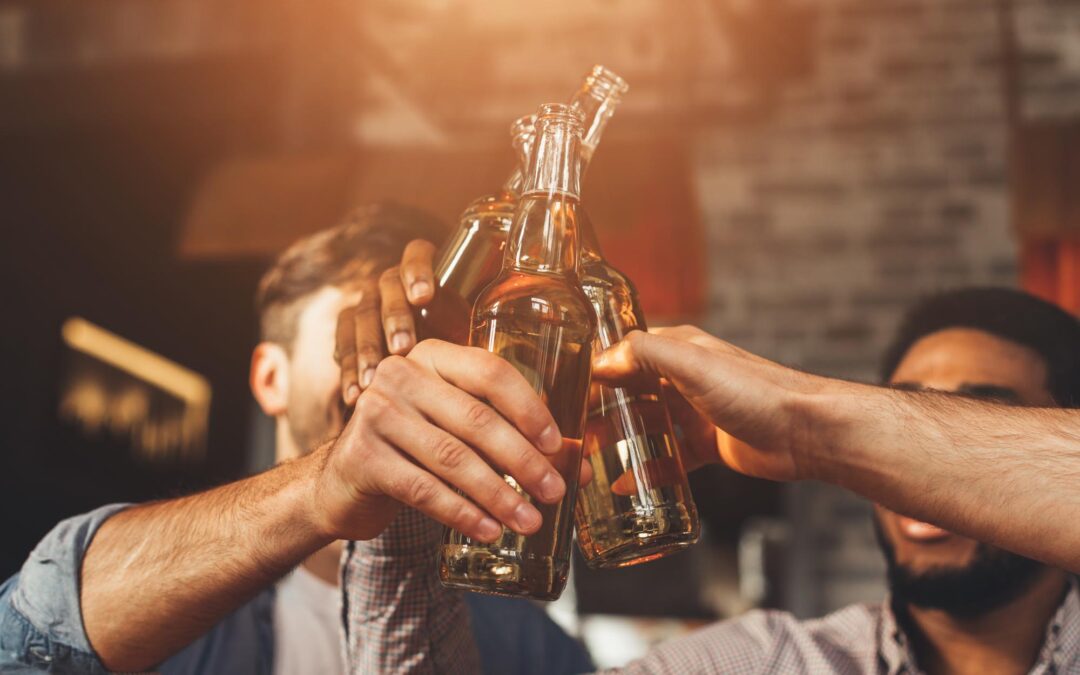
Why Stress and Alcohol So Often Go Together
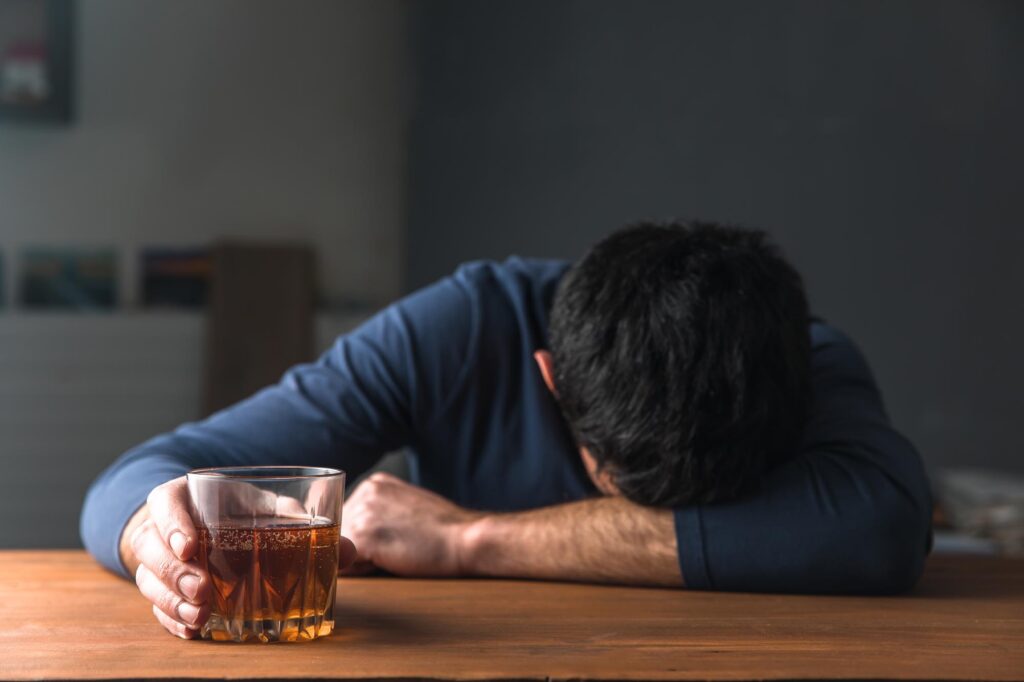
After a long day, many people reach for a drink to “take the edge off.” It may start as a way to relax, unwind, or temporarily quiet racing thoughts. Over time, however, what began as occasional stress relief can quietly evolve into a pattern of drinking to cope with stress.
If you’ve ever wondered, “Why do I drink when I’m stressed?” you’re not alone. Stress is one of the most common triggers for alcohol use, and the connection between the two is both psychological and biological.
Understanding how this cycle works—and how to break it—is an important step toward protecting your mental and physical health.
What Does It Mean to Self-Medicate with Alcohol?
Self-medicating refers to using a substance to manage uncomfortable emotions, mental health symptoms, or life stressors. In the case of alcohol, this often means drinking to:
- Reduce anxiety
- Escape overwhelming responsibilities
- Cope with relationship stress
- Numb emotional pain
- Fall asleep more easily
Alcohol can create a temporary sense of relaxation because it slows activity in the central nervous system. For a short time, stress may feel less intense. However, this relief is temporary—and often followed by increased anxiety, irritability, or low mood once the alcohol wears off.
When drinking becomes a primary coping mechanism, the risk of dependence increases significantly.
The Science Behind Drinking to Cope with Stress
Stress activates the body’s fight-or-flight system, releasing hormones like cortisol and adrenaline. These chemicals prepare the body to respond to perceived danger, but when stress is chronic—such as ongoing work pressure, financial strain, or family conflict—the body can remain in a heightened state of tension.
Alcohol temporarily dampens this stress response. It increases the activity of GABA, a calming neurotransmitter, and suppresses glutamate, which stimulates the brain. This is why alcohol can initially feel relaxing.
However, repeated use changes brain chemistry. Over time:
- The brain becomes less responsive to natural calming mechanisms
- Tolerance develops, requiring more alcohol to achieve the same effect
- Anxiety often worsens between drinking episodes
This creates a feedback loop: stress leads to drinking, drinking alters brain chemistry, and altered brain chemistry increases stress and anxiety.
Signs You May Be Drinking to Cope with Stress
Not everyone who drinks during stressful times has a substance use disorder. However, certain patterns may indicate that alcohol is becoming a coping tool rather than a casual choice.
Common signs include:
- Drinking specifically after stressful events
- Feeling unable to relax without alcohol
- Looking forward to drinking as the primary reward of the day
- Increasing alcohol consumption during difficult periods
- Feeling more anxious or irritable on days you don’t drink
- Hiding or minimizing how much stress influences your drinking
If alcohol consistently feels like the “solution” to stress, it may be time to take a closer look.
Why Drinking for Stress Can Make Anxiety Worse
One of the most frustrating aspects of drinking to cope with stress is that it often intensifies the very problem it’s meant to solve.
Alcohol disrupts sleep cycles, even if it initially makes you drowsy. Poor sleep increases emotional reactivity and lowers stress tolerance the following day. Additionally, as alcohol leaves the body, the nervous system can rebound into a hyperactive state—leading to racing thoughts, restlessness, and heightened anxiety.
This phenomenon is sometimes referred to as “rebound anxiety.” It reinforces the urge to drink again, continuing the cycle.
When Stress Drinking Turns Into Dependence

Over time, the brain adapts to regular alcohol use. What once felt optional may start to feel necessary. Dependence can develop gradually, especially in individuals who are otherwise functioning well at work or home.
Warning signs that stress drinking may be progressing include:
- Needing alcohol to manage everyday stress
- Experiencing cravings during high-pressure situations
- Drinking earlier in the day than intended
- Difficulty cutting back despite wanting to
- Experiencing withdrawal symptoms such as tremors, sweating, or anxiety when not drinking
Alcohol use disorder does not always look dramatic or chaotic. It often develops quietly through repeated attempts to cope with life’s challenges.
Health Risks of Using Alcohol as a Coping Mechanism
Chronic stress already places strain on the body. When combined with regular alcohol use, the health risks multiply.
Long-term effects may include:
- Liver inflammation and damage
- Increased blood pressure
- Weakened immune system
- Digestive issues
- Worsening depression or anxiety disorders
- Increased risk of alcohol dependence
Addressing stress in healthier ways can significantly reduce these risks.
Healthier Alternatives to Drinking for Stress Relief
Breaking the cycle of drinking to cope with stress requires developing new coping strategies. While no solution eliminates stress entirely, certain approaches can help regulate the nervous system more effectively and sustainably.
Evidence-based stress management strategies include:
- Regular physical activity
- Mindfulness and breathing exercises
- Structured sleep routines
- Therapy or counseling
- Journaling or emotional processing
- Building social support networks
Learning to tolerate and process stress without alcohol strengthens resilience over time.
Professional Support for Stress-Related Drinking in Temecula
If you find it difficult to stop drinking during stressful periods, professional support can help you break the cycle safely.
At Temecula Recovery Center, we understand that alcohol use often begins as an attempt to cope—not a desire to cause harm. Our treatment programs are designed to address both substance use and the underlying stress, trauma, or mental health concerns contributing to it.
Services may include:
- Medically supervised detox when needed
- Residential addiction treatment
- Individual therapy focused on stress management
- Dual diagnosis care for anxiety or mood disorders
- Relapse prevention planning and aftercare support
Treatment is individualized, compassionate, and focused on long-term stability—not judgment.
Breaking the Cycle Starts with Awareness
Recognizing that you may be drinking to cope with stress is not a failure—it is an opportunity for change.
Stress is a normal part of life. Alcohol dependence does not have to be.
If alcohol has become your primary coping tool, reaching out for professional support can help you develop healthier strategies, restore balance, and protect your physical and mental well-being.
Temecula Recovery Center offers structured, evidence-based alcohol treatment in a supportive environment designed to help individuals regain control and build sustainable recovery.