What We Wish More People Understood Before Addiction Reaches a Crisis Point
Almost every addiction story has a stretch of time that doesn’t get talked about much. Not the crisis itself, not the overdose or the arrest or whatever moment finally forces everything out into the open, but the long, quiet stretch before that. Something is clearly shifting. Nobody’s quite ready to name it yet, not even the person it’s happening to.
This kind of reflection feels especially fitting during Red Ribbon Week, the nation’s longest-running drug prevention observance, which asks communities to do more than just wear a ribbon. It asks us to actually talk about prevention, honestly and out loud, rather than waiting for a crisis to force the conversation.
We wanted to spend some time in that stretch this month, because we think it’s where prevention actually happens, if it’s going to happen at all. So we asked our own team a simple question, and we went looking outside our walls too, at what people have said in their own words, on forums, in newsletters, in reader submissions to national outlets, about what they wish someone had understood, or said, or done, before things got as bad as they did.
The Myth That Keeps People Waiting
One of the most persistent ideas in addiction culture is that a person has to hit “rock bottom” before real change is possible. It’s such a common belief that it’s shown up in movies, in recovery meetings, in the way families talk about when to finally step in. The trouble is, this idea can do real harm. As one recovery writer put it in a piece for the newsletter Ask a Sober Lady, the concept becomes genuinely dangerous when people, sometimes even well-meaning family members, start believing that a person needs to be humiliated or pushed toward collapse before they’ll be ready to change. Despite how widespread the “hitting bottom” narrative is, what actually leads someone toward recovery tends to be far more complicated than one dramatic turning point (Ask a Sober Lady).
We see this play out constantly. Families wait. Friends wait. Sometimes the person struggling waits on themselves, holding out for some undeniable, catastrophic sign before they’ll admit anything is wrong. But waiting for rock bottom often just means waiting through more pain than necessary, for everyone involved.
What People Actually Say They Wish Others Understood
A few years ago, PBS’s Frontline ran a project called Heroin Stories, inviting readers to share, in their own words, what they wished people understood about addiction. The submissions weren’t clinical. They were personal, sometimes raw, written by parents, siblings, and people in recovery themselves.
One contributor, identified only as Jessica from Bay City, Michigan, wrote about how badly she wanted people to understand that no one chooses to become addicted, and how she hoped growing public awareness would help more people feel able to ask for help before a problem became severe enough to be fatal (PBS Frontline).
Another contributor, Maureen from Somerville, Massachusetts, wrote something that’s stayed with our team since we first read it: that addiction deserves to be understood as a disease rather than a moral failing, that it can start with something as ordinary as a doctor’s prescription, and that families often don’t get nearly enough guidance on what to actually do once they realize something is wrong (PBS Frontline).
What strikes us about both of these isn’t just the content. It’s the fact that these are ordinary people, not clinicians, not organizations, saying almost exactly what we hear from families every single day: I didn’t know what I was looking at. I didn’t know what to do. I wish someone had told me sooner.
A Word From Our Team
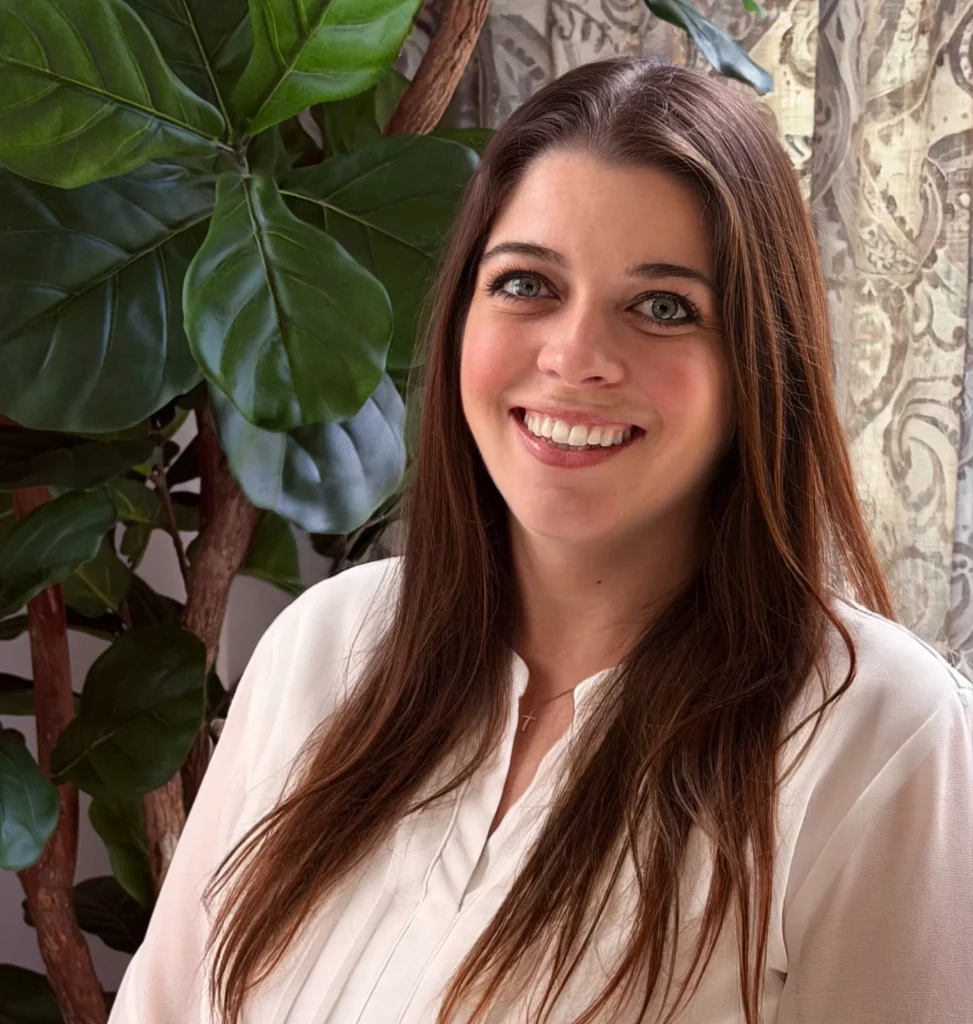
We asked Marina Rasmussen, part of our team here at Temecula Recovery Center, the same question we’d been asking everywhere else: what does she wish more people understood before addiction reaches a crisis point? Her answer was this:
“In a world filled with uncertainty and fear of the unknown, there are people who remind us that we never have to face it alone. Everyone deserves the opportunity to create change in their life and, above all, to feel truly seen, heard, understood and loved. Sometimes, all it takes is a single call to connect with one person to believe in you, and that belief can become the beginning of a whole new chapter.”
Marina shared more on this in her own words in a short video interview, if you’d like to hear it directly from her.
Reading Marina’s words next to Jessica’s and Maureen’s, something becomes pretty clear. The clinical facts about addiction matter, but almost everyone, whether they’re a person in recovery, a grieving parent, or a member of our clinical team, keeps landing on the same underlying truth: isolation is where addiction thrives, and connection is where the way out usually begins.
Where Red Ribbon Week Comes From
If you’ve worn a red ribbon in October, whether at school, at work, or just around town, you’ve taken part in something with a real, specific origin story. Red Ribbon Week traces back to 1985, when DEA Special Agent Enrique “Kiki” Camarena was kidnapped and killed in Mexico while investigating a major drug trafficking operation. In the wake of his death, friends and neighbors in his hometown of Calexico, California began wearing red ribbons in his memory, a small, grassroots gesture that grew into “Camarena Clubs,” and eventually into the national observance we know today, formalized in 1988 as the largest drug prevention campaign in the country (DEA Museum).
What started as one community’s grief eventually became something bigger: a yearly reminder that prevention is a collective responsibility, not just a personal one. That context matters here, because Kiki’s story wasn’t really about drugs in the abstract. It was about one person’s life, one community’s loss, and everyone around them deciding they wanted to do something with that grief rather than just carry it quietly. Decades later, that’s still the invitation Red Ribbon Week extends to all of us: don’t just observe from a distance. Do something. Say something. Reach out to someone.
That’s exactly the spirit behind asking our own team, and looking outside our walls, for what people wish they’d understood sooner. Red Ribbon Week isn’t really about the ribbon. It’s about refusing to stay silent until a crisis forces the conversation.
Why This Matters More Than Another List of Warning Signs
There’s no shortage of articles listing the behavioral and physical signs of addiction, and those lists have real value. But almost nobody we’ve talked to, whether through research for this post or in conversations with the families we work with, says their turning point came from reading a checklist. It came from a moment of genuine connection. A conversation that didn’t feel like an ambush. A person who reached out without judgment. A realization, however it arrived, that they weren’t actually alone in this.
That’s the piece we think gets lost most often in prevention conversations. Not the facts, but the felt experience of being seen before things fall apart, not just after.
If This Is Landing Somewhere Personal Right Now
If any of this brought someone specific to mind, or if it’s describing something closer to your own life than you expected, we’d gently encourage you not to wait for a clearer sign. You don’t need certainty. You don’t need the perfect words. Kiki Camarena’s story became a national movement because his community refused to let silence be the response to something painful. That’s really what Red Ribbon Week is asking of all of us, in ways big and small. Sometimes, as Marina said, all it takes is a single call to connect with one person who believes in you, and that belief becomes the start of something entirely new.
If today is the day you decide to make that call, know what’s waiting on the other end of it. Our medically supervised detox program is built to get you through withdrawal safely and as comfortably as possible, and our residential treatment program picks up from there, giving you the structure, therapy, and support to actually rebuild rather than just stop.
We’re Here When You’re Ready to Talk
Whether you’re worried about yourself or someone you love, you don’t have to figure this out alone. Call Temecula Recovery Center today at (951) 428-4990 to talk confidentially with our team, or reach out through our contact page. You can also learn more at TemeculaRecoveryCenter.com or visit us at 44320 Campanula Way, Temecula, CA 92592.
Read More Like This
- What Labor Assistance Professionals Should Look For in an Addiction Treatment Referral Partner
- Asking for Help Isn’t a Failure: A Red Ribbon Week Reflection
- Explore Our Medical Detox Program
- Explore Residential Treatment
- Meet Our Team